
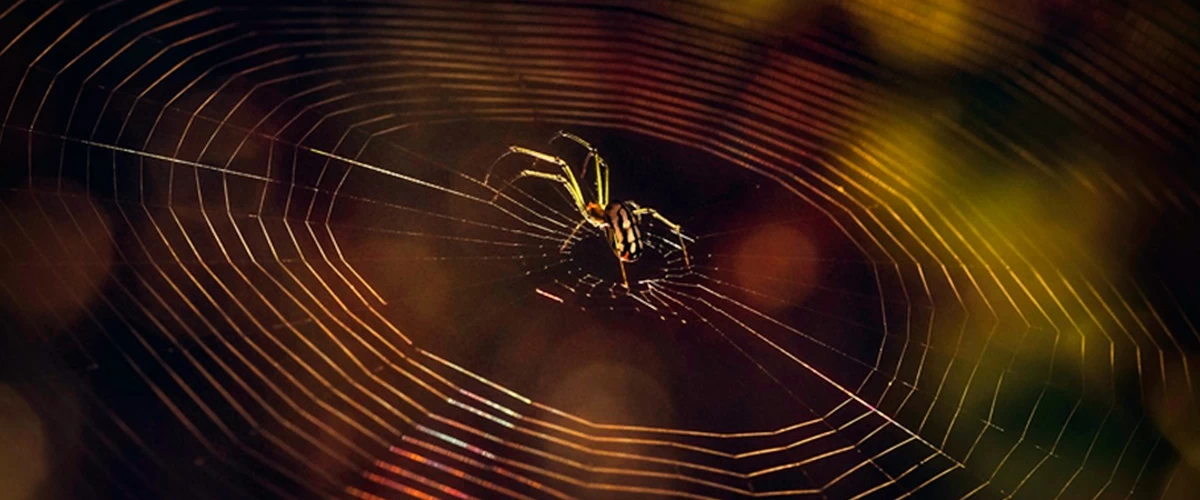
A spider infestation can be a serious issue for any homeowner. Not only can spiders be intimidating and unpleasant to look at, but some species can also be dangerous, potentially causing allergic reactions or even bites. Besides that, the presence of spiders in your residential and commercial properties can be a sign of other pest problems, such as the presence of insects that serve as the spiders' food source. If you suspect that you have a spider infestation, it is very crucial to take steps to address the issue as soon as possible to protect yourself and your family. In this blog, we have listed some of the most effective preventive measures for spider infestations.
- Keep your house neat and tidy: Maintaining a clean and organized home can help prevent spider infestations. Spiders are attracted to clutter and debris since it provides them with hiding places and potential sources of food. You can even vacuum spiders, their webs, and egg sacs. By keeping your house and the premises clean and free of clutter, you can reduce the number of regions where spiders can hide and reduce the likelihood of an infestation in the near future.
- Store food in sealed containers: Make sure to store all food in airtight containers and dispose of any food waste promptly. Spiders are attracted to food odors, so keeping your home free of food odors can help prevent infestation.
- Use window and door screens: Install good-quality weather stripping on all exterior windows and doors. And place tight-fitting window screens and door sweeps to exclude spiders and other pests. This can help prevent spiders from entering your properties through open windows and doors.
- Keep outdoor lights off: Spiders are not attracted to the light, but many of the insects they feast on are. Consider installing yellow or sodium vapor light bulbs at outside entrances. Night-flying insects are less drawn to these lights than traditional bulbs, which discourages the attraction of spiders.
- Remove spider webs: Spiders catch prey and eat insects by weaving sticky webs around them. Typically, taking down a spider's web doesn't require much effort. A broom can be used to quickly sweep away a spider web from the inside of your room; just be sure to put it outside once you're finished. To ensure that any eggs in those webs hatch outside, do as such. When spider eggs hatch outside, there are fewer spiders inside your house, and you are less likely to come into contact with them there. We also advise treating the broom's bristles to destroy the egg sacs. By doing this, you can stop indoor spiders from hatching outside and returning inside. To further ensure that the spiders do not hatch indoors, it is vital to regularly sweep and mop your floors.
- Add spider-repellent plants: Spiders dislike the strong scents of plants like citronella, eucalyptus, lavender, and mint. You can prevent spiders from creating webs in your yard by planting these plants in your garden. However, you can use essential oils, such as peppermint and tea tree, if you don't want to grow these plants. The smell will deter spiders if you simply add a few drops to the area around your garden.
- Keep your basement, attic, and garage clutter-free: Spiders like to hide in clutter, so it's important to get rid of any excess clutter around your commercial and residential properties. The majority of spiders look for isolated, quiet areas where they can quietly build their webs. Since spiders are typically only interested in finding their next meal, they may be hiding out in a roof or basement that has been empty and unoccupied for the past season. It attracts other pests, which serve as a convenient food source, and gives them a lot of hidden, dark spaces. Thus, it's crucial to keep your garage, attic, and basement clutter-free. This will help reduce the presence of spiders in your home, as they will not have anywhere to hide and will quickly leave.
- Seal crevices and cracked windows: Through broken window screens, cracks, and crevices, spiders can enter homes. Sealing up these potential entrances should be a priority, as this is the best way to keep spiders out of the house and prevent them from making it their home.
- Install spider traps: Spiders can be captured using non-toxic sticky glue traps called "spider traps," which can be set up in busy areas. Spider traps have some limitations, but they are simple to use and can be folded into a circle to make them more child- and pet-friendly.
- Contact a licensed pest professional: If you're still encountering numerous spiders in your commercial and residential properties despite your best efforts to get rid of them, then it's time to contact a professional pest control specialist. If you are the victim of a spider infestation in Sydney and the neighboring areas, you can reach A2 Pest Management to sort out your issue once and for all.
At A2 Pest Management, we have a specialized team of experts with years of experience who can help you inspect your residential and commercial properties and determine the kind of service that will work best for your pest problem. Reach out to us today and let us assist you in eliminating spider infestation at a reasonable price in Sydney and the neighboring areas.